Mulch · Houston
Aged Native Mulch
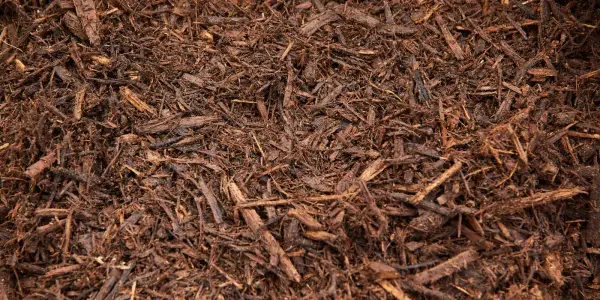
Native hardwood mulch, ground and aged three to six months on our yard, then finished through a 1.5 inch screen.
$30 per cubic yard
Retail price at the yard, before tax.
Pick up at the yard, or we deliver around Houston. Delivery details · Contractor accounts
The material
What it is
Aged Native Mulch, also known as hardwood mulch, is made from a variety of indigenous trees. The blend also includes cedar. It is ground, aged, screened through our trommel, then run through the grinder twice more and finished through a 1.5 inch screen. We sell this product as is, in its natural brown color.
The feedstock is single-ground wood that comes in from local land-clearing and tree work. We take it in ourselves.
Finished aged mulch has a natural brown color. It suits garden beds, landscapes, and tree bases.
Process
How we make it
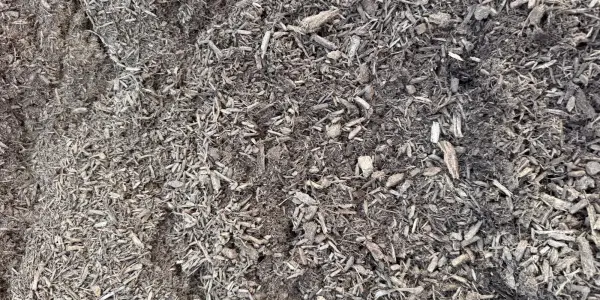
The ground wood ages three to six months before it is sold, and we flip the pile twice in that time. During dry stretches we water it from our own on-site water source.
Texas exempts mulch grinding from its composting regulations, so nothing requires wood to age at all before it is sold as mulch. We age it anyway, and we make material ahead of demand so no pile gets rushed out to fill an order.
After aging, the material runs through our trommel, a rotating drum screen, and then through the grinder twice more. It finishes through a 1.5 inch screen, which is what gives it a consistent texture.
Uses
Best for
- Garden beds and landscape beds
- Around tree bases and shrubs
- Moisture retention, so beds need less frequent watering
- Weed suppression, which cuts down on maintenance
- Regulating soil temperature to protect plant roots
Good to know
What sour mulch is and how to spot it
Almost anyone with a grinder can sell mulch. Under 30 TAC 332.3, mulch grinding sits outside the Texas composting rules, so nothing sets a minimum age for mulch.
The most common problem is mulch sold before it is done, sometimes called sour mulch. It happens when wood is piled too high, never turned, and pushed out fresh to move volume. The pile goes anaerobic and ferments. University research documents the result: the pH drops well below neutral, and the mulch gives off a vinegar, ammonia, sulfur, or silage smell. Applied to a bed, sour mulch can wilt plants within half an hour and bleach foliage light tan by the next day.
Finished mulch and compost smell like earth. A sour or ammonia smell means the material is still fermenting or was sold too young.
Questions about Aged Native Mulch
A blend of indigenous trees, ground from local land-clearing and tree work, aged on our yard, then finished through a 1.5 inch screen.
Aging lets the material break down and settle before it goes in your beds. It ages three to six months here and gets flipped twice in that time, so it goes in as finished mulch. Aging also brings the pile up to high heat, which kills any seeds or plants that may be in the mulch, so they don't sprout in your beds or garden.
Not this one. Aged native is sold as is, in its natural brown color. The same aged native material dyed black is sold as our Black Mulch.
Keep going
Related
Black Mulch
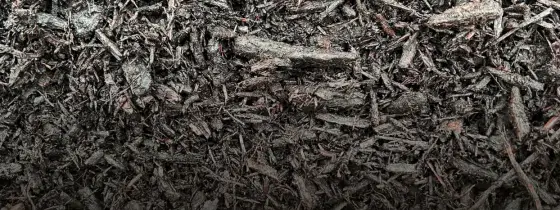
Aged native hardwood, dyed black with a carbon-based colorant.
$35 per cubic yardView product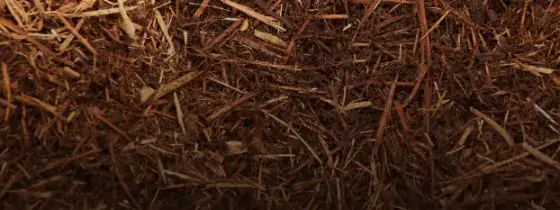
Cedar Mulch
100% natural Texas cedar, bought in finished. The reddish-brown is the wood, not dye.
$42 per cubic yardView product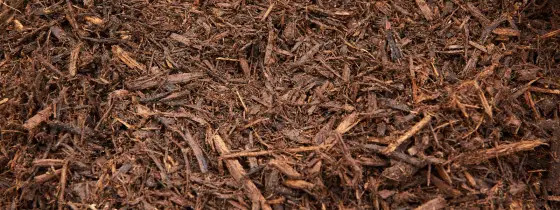
Proper mulch application for your garden beds
Bed prep, how to tell finished mulch, and how deep to spread it.
Read the guide