
Products · Houston
Mulch in Houston
Nothing requires mulch to be finished before it is sold. Mulch grinding is exempt from the Texas composting rules, so a fresh grind can go out the week it was made. Fresh wood piled deep and never turned ferments, and mulch in that state can bleach and burn the plants it is spread around.
We grind wood that comes off local land-clearing and tree work, age it on this yard, water the pile through dry stretches, and screen it before it is loaded. Aged Native Mulch is the base product: indigenous trees, ground, aged three to six months and flipped twice in that time, screened through a trommel, then run through the grinder twice more and finished through a 1.5 inch screen. Black Mulch is that same aged native with a carbon-based colorant. Red Mulch is clean kiln-dried two-by-fours, sorted by hand, with an iron-based colorant, and it cannot age as long or it will not take the color.
Cedar Mulch is the one we do not grind. We buy it in finished from suppliers in Central Texas, between San Antonio and Austin. It is 100% Texas cedar and the reddish-brown is the wood itself, not a dye.
On any dyed mulch, the wood under the color is the thing to ask about. Colorants are benign. Mulch ground from construction and demolition debris can carry CCA-treated lumber, which is where arsenic in dyed mulch comes from. We do not grind treated or painted wood or plywood.
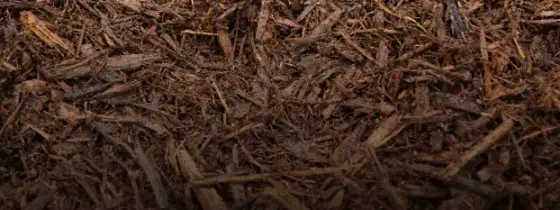
Aged Native Mulch
Native hardwood, aged three to six months, finished through a 1.5 inch screen.
$30 per cubic yardView product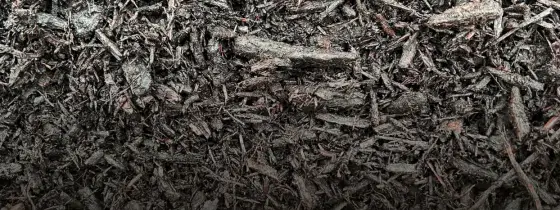
Black Mulch
Aged native hardwood, dyed black with a carbon-based colorant.
$35 per cubic yardView product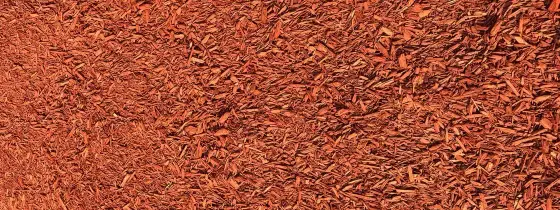
Red Mulch
Clean kiln-dried two-by-fours, hand-picked, dyed with an iron-based colorant.
$35 per cubic yardView product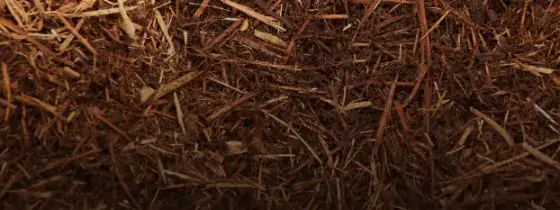
Cedar Mulch
100% natural Texas cedar, bought in finished. The reddish-brown is the wood, not dye.
$42 per cubic yardView productLearn
Guides
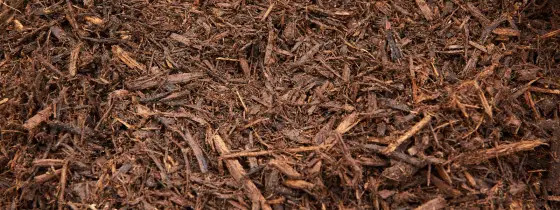
Proper mulch application for your garden beds
Fall and spring are the best times to re-dress beds. Over the season, mulch decomposes from rain and heat. That is normal: the wood breaks down and feeds soil microbes.
Read the guide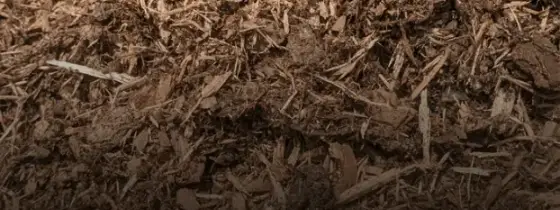
Mulching in Houston
Mulch regulates soil temperature, holds moisture, and suppresses weeds - when it is finished material, applied at the right depth, and kept off the trunk.
Mulching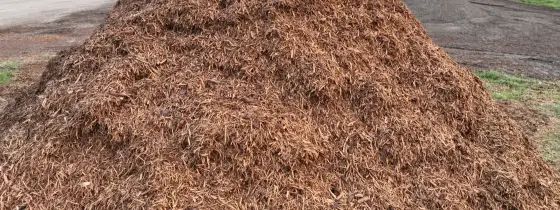
All guides
A guide from this yard.
LearnCommon questions
Four: Aged Native Mulch (natural brown hardwood we grind and age here), Black Mulch (that same aged native with a carbon-based dye), Red Mulch (clean kiln-dried two-by-fours with an iron-based dye), and Cedar Mulch (100% Texas cedar, undyed, bought in finished from Central Texas).
Smell it. Finished mulch smells like earth. A vinegar, ammonia, or sulfur smell means it is still fermenting or was sold too young.