
Soil blends · Houston
Tree & Shrub Mix
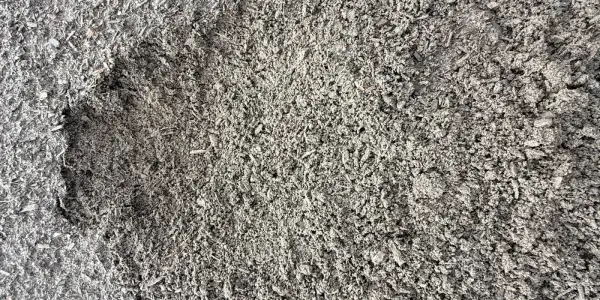
A screened blend of our own sandy loam topsoil, our compost, and our humus for building landscape beds and planting trees and shrubs.
$34 per cubic yard
Retail price at the yard, before tax.
Pick up at the yard, or we deliver around Houston. Delivery details · Contractor accounts
The material
What it is
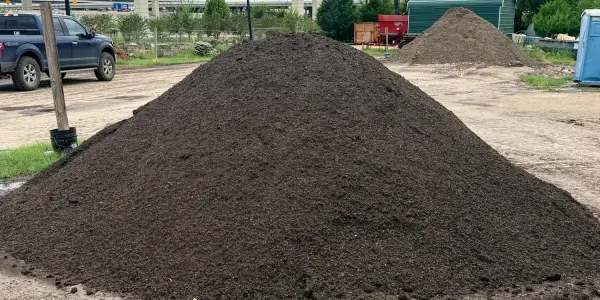
Tree & Shrub Mix is a blend of our own sandy loam topsoil, our Casco Compost, and our humus, listed largest share first. The topsoil gives roots something to push into and lets water drain instead of pooling around the root ball. The compost and humus supply the organic matter.
It is its own product, not Garden Mix under another name. It was built as a topsoil and compost blend so shrubs get stability and a good root system into the ground. Most shrubs are hardy and do well in it. It is not the mix for delicate flowering plants.
The compost is what we produce on site and cure before blending. The humus is the fine, broken-down organic matter that makes up soil. The sandy loam is our own, darker brown and more like traditional topsoil.
Process
How we make it
We build Tree & Shrub Mix on compost we cure ourselves, hold for months, and test section by section before it is pulled. Our Casco Compost page has the curing detail and the state minimum for pathogen kill.
The blend is pre-mixed and screened to order. Our finish screen is half-inch minus, so anything over half an inch is caught and put to a different pile. That keeps the mix consistent and free of the rocks and clumps that come with unscreened dirt, which matters when you are backfilling around a new root ball.
Uses
Best for
- Building new landscape beds
- Planting trees and shrubs, mixed with the native soil in the hole
- Backfilling around a root ball for drainage and root penetration
- Replacing spent soil in an established bed
Good to know
Why new trees and shrubs struggle
When a tree or shrub struggles after planting, the soil around the root ball is often the reason. Heavy, unscreened dirt with clay chunks holds water against the roots. A screened blend with sandy loam in it drains and lets roots grow out.
Uncured compost is the other thing to check. It ties up nitrogen as it finishes and can leave a young plant short right when it is trying to establish. University extension guidance says finished compost smells earthy, and product that is hot at point of sale is still composting.
Ask where the manure in any blend came from. Some herbicides pass through livestock into manure and survive composting, then show up as twisted, cupped leaves. Our Garden Mix page covers that in full.
Questions about Tree & Shrub Mix
Our own sandy loam topsoil, our Casco Compost, and our humus, listed largest share first.
Both uses work. It is made for building landscape beds and for mixing with existing soil when you plant.
Most shrubs are hardy and do well in it. It was built for stability and rooting, not for delicate flowering plants.
Yes. Pre-mixed and screened to order through our trommel to a half-inch-minus finish.
Casco Compost, which we make at the yard from wood shavings, animal manure, and food waste brought in by collection companies. The other components are materials we make and screen ourselves.
Keep going
Related
Garden Mix
Our compost, our humus, and sand. Built for beds and containers.
$37 per cubic yardView product
Casco Compost
Small batch, made from recycled organic material, held for months and screened to half-inch minus.
$60 per cubic yardView product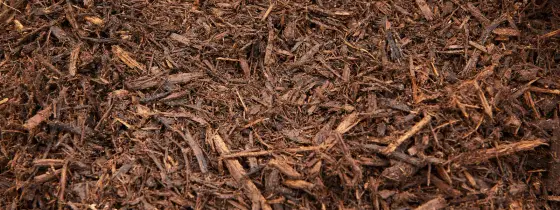
How to plant a new tree and avoid transplant shock
Hole width, circling roots, backfill, water, and mulch.
Read the guide