
Soil blends · Houston
Screened Sandy Loam Topsoil
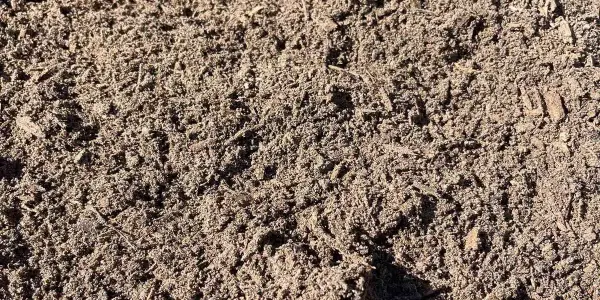
Straight topsoil dug from our own property and screened to half-inch minus, for garden beds, topdressing, and general soil work.
$45 per cubic yard
Retail price at the yard, before tax.
Pick up at the yard, or we deliver around Houston. Delivery details · Contractor accounts
The material
What it is
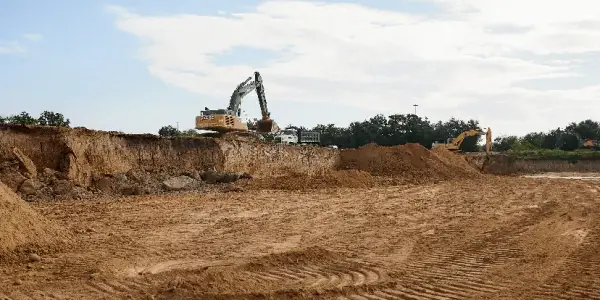
Screened Sandy Loam Topsoil is straight topsoil dug from this property. It is not a blend. We screen it to half-inch minus so clay and rock come out.
The name comes from an analysis. We sent a sample off and it came back classified as a sandy loam, which means more loam than sand. It is darker brown than the loamy sand that goes into Lawn Mix.
Raw dirt comes with clay chunks, rocks, and clumps in it. Screening pulls that out before the material reaches you.
Process
How we make it
We screen this in our own trommel, a rotating drum screen with different-size holes depending on the job.
The half-inch-minus finish is what gives the topsoil a consistent texture you can spread, rake, and plant into without fighting clumps and rocks. The clay and rock that come off the screen go to a separate pile.
Uses
Best for
- Filling and building garden beds
- Topdressing and leveling low spots
- General soil enhancement and grade work
- A base layer where fill dirt will not work
Good to know
Topsoil has no standard definition
Technically, topsoil is whatever soil is on the surface. Because nothing stops it, fill dirt with clay chunks, rocks, and weed seeds gets sold as topsoil.
You can amend pH and add nutrients, but it is "very difficult to change a soil's texture". Screening takes the clay and rock out, and what is left is consistent and workable. Ours is screened to half-inch minus.
If a topsoil smells sour, or you can see clay and rubble in it, do not buy it.
Questions about Screened Sandy Loam Topsoil
No. It is straight topsoil dug from our own property and screened to half-inch minus. An analysis classified the material as a sandy loam, which is where the name comes from.
It is screened. We run it through our trommel to a half-inch-minus finish, so the clay chunks and rocks that come with raw dirt are taken out. It comes from a known, darker-brown sandy loam, not unsorted fill.
It means everything half an inch or smaller passes the screen, and anything larger is caught and set aside. The result is a uniform, workable texture.
Keep going
Related
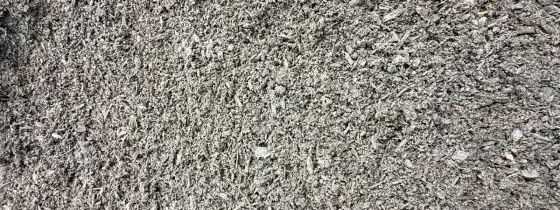
Garden Mix
Our compost, our humus, and sand. Built for beds and containers.
$37 per cubic yardView product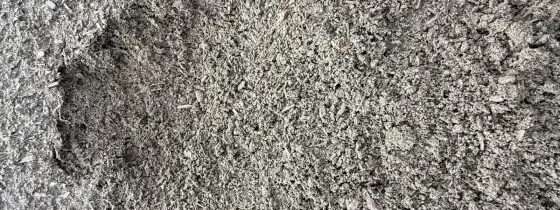
Tree & Shrub Mix
Sandy loam topsoil, compost, and humus for planting beds and root balls.
$34 per cubic yardView product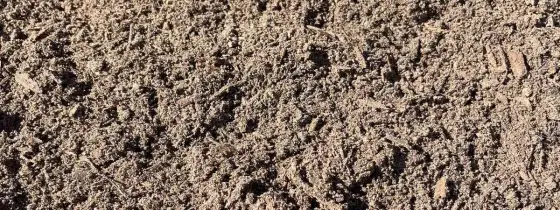
Compost-enriched soil vs. topsoil
Why plain topsoil runs short on organic matter, and what compost adds.
Read the guide