
Seasonal · Houston
How to winterize your grass for a healthy lawn
October brings cooler weather, which is when to winterize turf. Three steps: fertilize, spread a pre-emergent, and topdress with compost.
Fertilizer
Choose an organic fertilizer that supports soil and plant health, not a high-nitrogen synthetic that pushes a last flush of soft top growth before the first cold. One option used on Houston lawns is MicroLife Brown Patch 5-1-3, which is formulated for winter turf and soil biology. Follow the bag.
Pre-emergent
This is weed control for spring, done in fall. Spread a pre-emergent to catch weed seed before it germinates, and time it by soil temperature rather than by the calendar: the window opens as soil temperatures fall through about 70 F. Read the label for the weeds you actually get. Most pre-emergents are labeled mainly for annual grassy weeds plus some small-seeded broadleaves, so a broadleaf problem may need a different product. Apply at the labeled rate.
Topdress
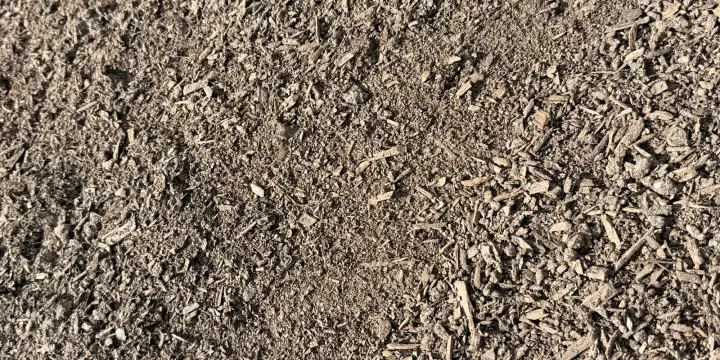
Apply a 1/4 inch to 1/2 inch layer of compost or a compost-enriched soil. That topdressing adds organic matter, improves moisture holding, and feeds soil microbes that make nutrients available to grass. Spread thin: at a 1/4 inch, one cubic yard covers about 1,300 square feet of lawn, so most residential lawns take one or two yards.
Casco Compost is the compost we make for this. Lawn Mix is the blend when you also need to level as you topdress. Neither should smell sour or arrive hot.
At a 1/4 inch topdressing, one cubic yard covers about 1,300 square feet. Run your own numbers in the Yard calculator.