
Seasonal work in Houston
Houston is USDA Zone 9. Fertilizing starts at the end of February and planting in March. Summer work is mowing height, watering depth, and mulch. October is fertilizer, pre-emergent, and a compost topdressing.
The Houston year
Stephen Flowers on how the season runs at the yard: "Spring first, fall second. Winter and summer aren't dead, just slower. Fall picks up as soon as it cools into the 80s and people want to be outside again. Spring starts as soon as it's not cold, sometimes February, sometimes March, and runs until it gets hot, sometimes ending May 1st, sometimes mid-June."
That is a buying calendar as well as a growing one, and it is why material is made and aged months before anyone orders it.
End of February and March
Fertilize turf at the end of February, once temperatures start to warm. On an existing lawn, pick a higher nitrogen number; on a newer lawn, a more balanced one to build roots. Slow-release over quick-release for turf, every time.
March is the planting month: lettuce, onions, spinach, broccoli, peas, beets, carrots. How deep a new bed needs to be depends on what is going in it. Annuals that come out at the end of the season do not need much depth. Anything that comes back every year should get as much good soil as you can give it. An existing bed takes a 4 inch layer of Garden Mix worked into what is already there.
Spring is also one of the two windows for re-dressing beds with mulch.
June through September
Mow as high as the mower allows, with a sharp blade. More leaf means more photosynthesis and a deeper root system, and taller grass shades the soil and cuts evaporation. A dull blade tears the grass and leaves it open to disease.
Water deep and infrequent: about 1 to 1.5 inches a week including rainfall, early in the morning. The screwdriver test tells you where you stand. Push one into the soil, and if it goes in easily the lawn is watered. If it will not go in, the soil is dry or compacted.
Two to four inches of mulch in beds and around trees, up to the trunk but never over it. Slow-release fertilizer only, and none at all in the worst of the heat. Topdress with compost rather than pushing top growth in July.
October and November
Three steps, in order. Use an organic fertilizer rather than a high-nitrogen synthetic, which pushes soft growth right before the first cold. Spread a pre-emergent to catch weed seed before it germinates as soil temperatures drop, which is spring weed control done in fall. Then topdress with a quarter to a half inch of compost or compost-enriched soil, which adds organic matter, improves moisture holding, and feeds the microbes that make nutrients available to grass.
Fall is also the second mulching window, and the better time to aerate a lawn that has gone compacted.
December and January
Leave plants alone. No fertilizer while it is cold. Keep plants watered and keep beds mulched so the soil temperature stays steady and the ground stays moist enough.
Planting only waits on a freeze. A tree can go in any time it is not freezing, which in Houston is most of the winter.
Guides
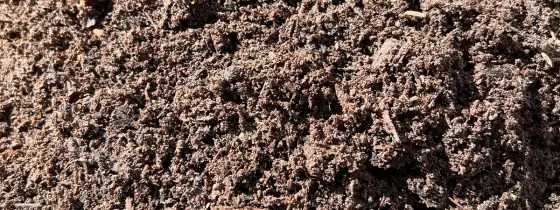
Spring planting in Houston
Freezes are gone, temperatures are rising, and Houston is USDA Zone 9. March is when to plant lettuce, onions, spinach, broccoli, peas, beets, and carrots.
Read the guide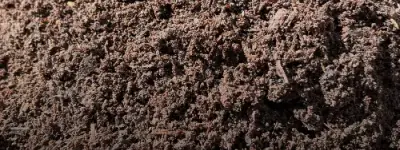
Spring fertilization
By the end of February, temperatures start to warm and it is time to feed turf for the season. Compost does most of that work, and a bagged fertilizer does the rest.
Read the guide
Best summer lawncare practices for Houston, Texas
Summer in Houston is heat and humidity. Turf that makes it is mowed high, watered deep, and sitting on soil that can hold moisture.
Read the guide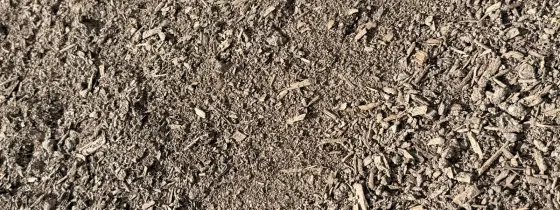
How to winterize your grass for a healthy lawn
October brings cooler weather, which is when to winterize turf. Three steps: fertilize, spread a pre-emergent, and topdress with compost.
Read the guide