
Seasonal · Houston
Spring fertilization
By the end of February, temperatures start to warm and it is time to feed turf for the season. Compost does most of that work, and a bagged fertilizer does the rest.
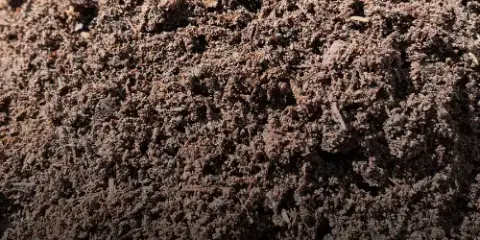
Start with compost
Compost is what feeds a lawn. It adds some NPK, it adds trace minerals, and it adds organic matter that wears out over time and has to be replaced. Mulch will not do this job. Mulch holds moisture and steadies soil temperature, and it adds no NPK at all. The material you spread on a St. Augustine lawn is compost.
A quarter-inch topdressing is the application. Spread it thin and let it work down. One cubic yard of Casco Compost covers about 1,300 square feet at that depth, so most residential lawns take one or two yards.
If the lawn also needs leveling, Lawn Mix is the blend for that: loamy sand, Casco Compost and humus. It is the heaviest material we make, and it fills low spots while it feeds. Compost alone will not hold a grade.
Read the NPK on the bag
Every fertilizer carries an NPK: nitrogen, phosphorus, potassium. Nitrogen drives growth and green color. Phosphorus drives roots. Potassium supports overall plant health and metabolism.
On an existing lawn, choose a fertilizer with a higher nitrogen number. On a newer lawn, choose a more balanced fertilizer to encourage roots and overall turf health.
Fertilizers are quick-release or slow-release. Slow-release is preferred for turf, because it releases nitrogen over weeks instead of days. Pick the NPK that matches the lawn and follow the manufacturer's directions.
If you want an organic product, ask for MicroLife or Medina by name. Both are sold around Houston, and having a name to look for beats picking up whatever chemical fertilizer is on the shelf.
Timing
The end of February is the window, once temperatures start to warm. Do not put fertilizer down while it is still cold, and do not put it down in extreme heat later in the year either.
December and January are the months to leave a lawn alone. Keep it watered, keep beds mulched so soil temperature stays steady, and wait.
Mow high through the season
Mow as high as the mower allows. More leaf left standing means more photosynthesis, a healthier stand of grass, and a root system that goes deeper. A deeper root system is what carries the lawn through July and August.
Keep the blade sharp. A dull blade tears the grass and opens it to disease.
At a 1/4 inch topdressing, one cubic yard covers about 1,300 square feet. Run your own numbers in the Yard calculator.
The rest of the Houston year, from summer watering to the October winterizing steps, is on our seasonal guide.