Seasonal · Houston
Spring planting in Houston
Freezes are gone, temperatures are rising, and Houston is USDA Zone 9. March is when to plant lettuce, onions, spinach, broccoli, peas, beets, and carrots.
What goes in the ground in March
Houston sits in USDA Zone 9, which puts the spring vegetable window in March. Lettuce, onions, spinach, broccoli, peas, beets and carrots all go in then.
Spring at the yard starts as soon as it is not cold, sometimes February and sometimes March, and it runs until it gets hot, which can be May 1 or mid-June. March is the heaviest month for retail orders here, so if you are building a bed rather than topping one off, buy the soil early in that window.
How deep the bed needs to be
It depends on what you are planting. Annuals that you pull at the end of the season do not need much depth. Anything that comes back every year should get as much good soil as you can give it, because that is the root system you are building for more than one season. Some plants root deep and some root shallow and spread out sideways.
There is no single inch figure that covers a vegetable bed. Check the depth the plant wants, and where a bed is going to hold perennials, err deeper.
What to fill it with
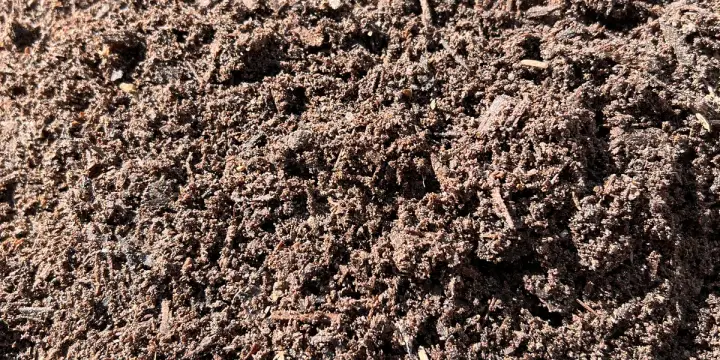
Garden Mix is the blend built for vegetable and flower beds: Casco Compost, humus and sand, with no topsoil in it. It was put together as a hybrid that works in the ground and in containers, so the same material fills a raised bed and tops off a pot.
An existing bed does not need to be rebuilt. Mix a 4 inch layer of Garden Mix into the soil you already have, which puts organic matter and nutrients back before planting.
A container dries out faster than the ground does, because it holds a thin layer of soil with warm air all the way around it. Plan on watering pots more often than beds, and expect anything left in a pot through a Houston summer to need more attention than the same plant in the ground.
Shrubs and trees
Shrub beds take Tree & Shrub Mix instead: sandy loam topsoil, Casco Compost and humus. It is built to give a shrub stability and a root system that goes into the ground. Most shrubs are hardy in it. It is not the mix for delicate flowering plants.
Trees are not a spring-only job. Any time it is not freezing works in Houston.
Fertilizer and spacing
Compost is the first feed. It adds some NPK, trace minerals and organic matter, and it wears out over time, which is why beds get topped up every year rather than built once.
On top of that, Casco's own advice for a vegetable bed is a balanced fertilizer, so plants get the nitrogen for growth and the phosphorus for root development. If you want an organic one, MicroLife and Medina both make products sold around Houston. Follow the label.
Do not put fertilizer down in the cold or in extreme heat.
Space plants so they are not crowded. Crowded plants stay wet longer in Gulf Coast humidity, and fungal disease follows.
One cubic yard covers about 100 square feet at 3 inches deep, or about 80 square feet at 4 inches. Run your own numbers in the Yard calculator.
Seasonal work through the rest of the Houston year, from February fertilizing to the October topdressing, is on our seasonal guide.